Listen before drawing.
Start by noticing how the site behaves and how it is already used. The brightest corner is not always the best place to sit, and a difficult edge can hold the most interesting opportunity.
Fieldwork begins with the belief that a good garden belongs in everyday life. It should invite you out for a few minutes, make room for the people you love and reward the care you give it.
Our point of view is quiet and practical: clear spaces, natural materials and planting with enough room to find its character.
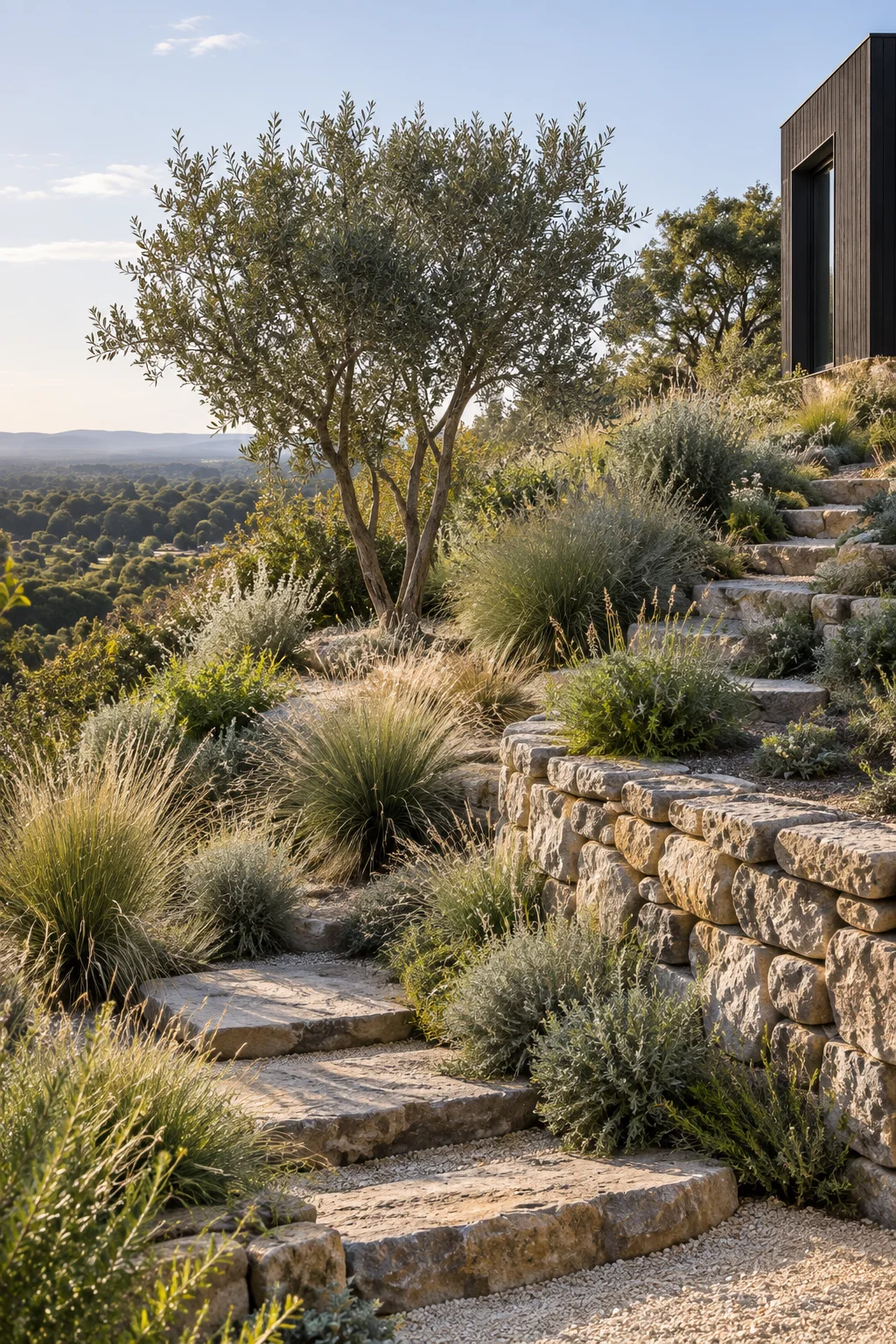
Before asking what a garden should look like, ask what is already there.
The afternoon shade from a neighbouring tree. The view through a kitchen window. A stone wall with a texture you want to keep. These observations give a garden a starting point that belongs to its site.
Then add the things that make it personal: how you gather, the pace of your mornings, the plants you enjoy tending and the amount of quiet you are looking for.
The Fieldwork garden studies explore that relationship. They are imagined places, developed to show how a useful brief can become a coherent landscape direction.
Start by noticing how the site behaves and how it is already used. The brightest corner is not always the best place to sit, and a difficult edge can hold the most interesting opportunity.
A route, a pause, a gathering place, a view from inside. When the main decisions are clear, the garden needs fewer competing elements to feel complete.
A garden should suit the time, interest and resources available to maintain it. Be honest about establishment, seasonal work and what it means to keep a living space healthy.
Plants grow, materials weather and households change. A strong structure gives the garden room to evolve without losing its sense of place.
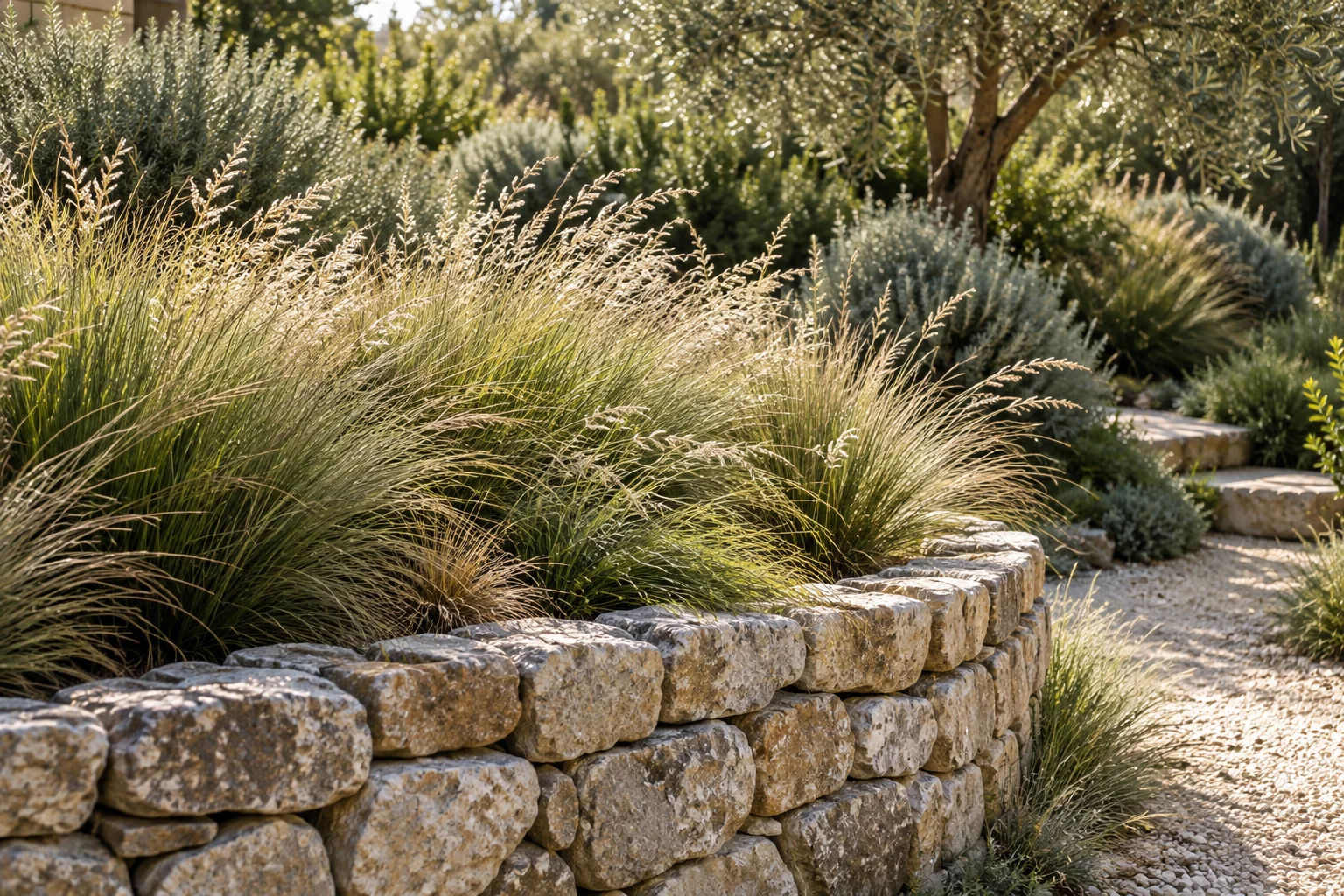
You do not need a complete vision or a long list of plants to begin. Tell us what draws you outside now, what keeps you indoors and what you wish the garden could make possible.
The most useful brief combines those hopes with practical details: the size of the space, who uses it, what must stay and how much work you want to take on.
Find the right starting pointA thoughtful garden starts with a conversation. Tell us a little about your space, how you use it and what you’d love it to become.
Start your garden brief