A Matt’s Websites concept ·Explore the collection

Good things
take growing.

A garden comes together through a sequence of decisions. Start with the place, give the design a clear structure, then allow the living parts to do what they do best.

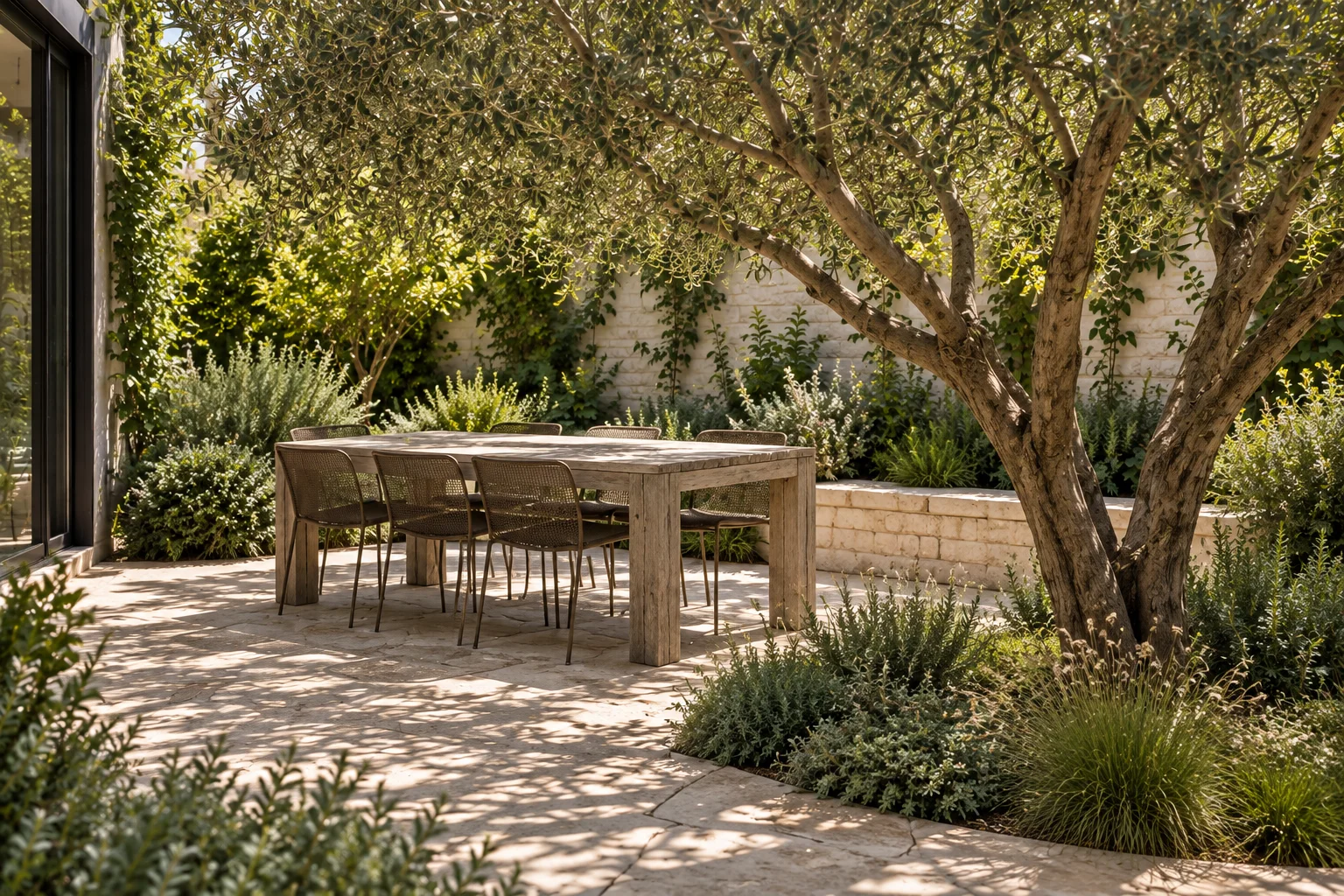
Olive canopy shading a quiet outdoor dining setting
01

Listen to the place

Begin with what is already there: light, shade, slope, boundaries, trees and the views from inside the home. Walk the space at more than one time of day if you can.

Add the human brief. Who will use the garden, how they move, what needs to stay and how much time they want to spend looking after it.

What to take forward: A clear site and lifestyle brief, with unknowns listed.

02

Find the structure

Set out the main routes and outdoor rooms before choosing small details. Decide where the garden should feel open, sheltered, social or quiet.

The concept should show how the pieces work together. Discuss the trade-offs while they are still easy to change, and keep the whole-garden budget in view.

What to take forward: An agreed layout and a concise material direction.

03

Bring in the living layer

Choose planting for the actual growing conditions and the effect you want over time. Consider mature size, seasonal change and how the garden will be maintained.

A real planting package turns the visual idea into a schedule, quantities and spacing. It should make clear what needs further verification on site.

What to take forward: A planting plan and practical establishment priorities.

04

Prepare for making

Agree which drawings and details are needed by the people who will build the garden. Identify specialist input for structures, drainage and other site-specific work.

Resolve responsibilities, access and the order of work. If the garden will be staged, protect the route to later areas and make the first stage feel intentional.

What to take forward: A defined installation scope and a sensible sequence.

05

Give it time

The first season is about helping the garden establish and observing how it responds. Keep a record of watering, plant performance and any areas that need attention.

Let that experience inform the next decisions. Some planting may need adjustment, a route may be used differently and the way you live outside may change.

What to take forward: A care routine that fits both the garden and its owner.

After the
planting day.

Help the garden settle.

Follow the establishment guidance for the actual plants and site. Check new planting regularly, keep paths and irrigation points accessible, and record any areas where plants are struggling.

Make care responsibilities explicit from the start. A written plan is more useful than assuming someone will remember the handover conversation.

Before the
first conversation.

What should I prepare for the first conversation?

A few photographs, a simple description of the space, any available plan and a list of priorities. Note what must stay, which parts are difficult to use and the working budget for the whole garden.

How long does the process take?

A real programme would depend on the site, scope, decisions and specialist work. Treat design, documentation, procurement and installation as separate stages; this demonstration shows no live availability.

Do I need to know the names of plants?

No. Describe the feeling, amount of shade, seasonal interest and level of care you want. A planting designer can turn that brief into a site-specific palette.

Can I send the brief from this example?

The form creates a local preview and an editable summary only. No enquiry is sent or stored, and no design work or installation is booked.

What could your
garden become?

A thoughtful garden starts with a conversation. Tell us a little about your space, how you use it and what you’d love it to become.

Start your garden brief